





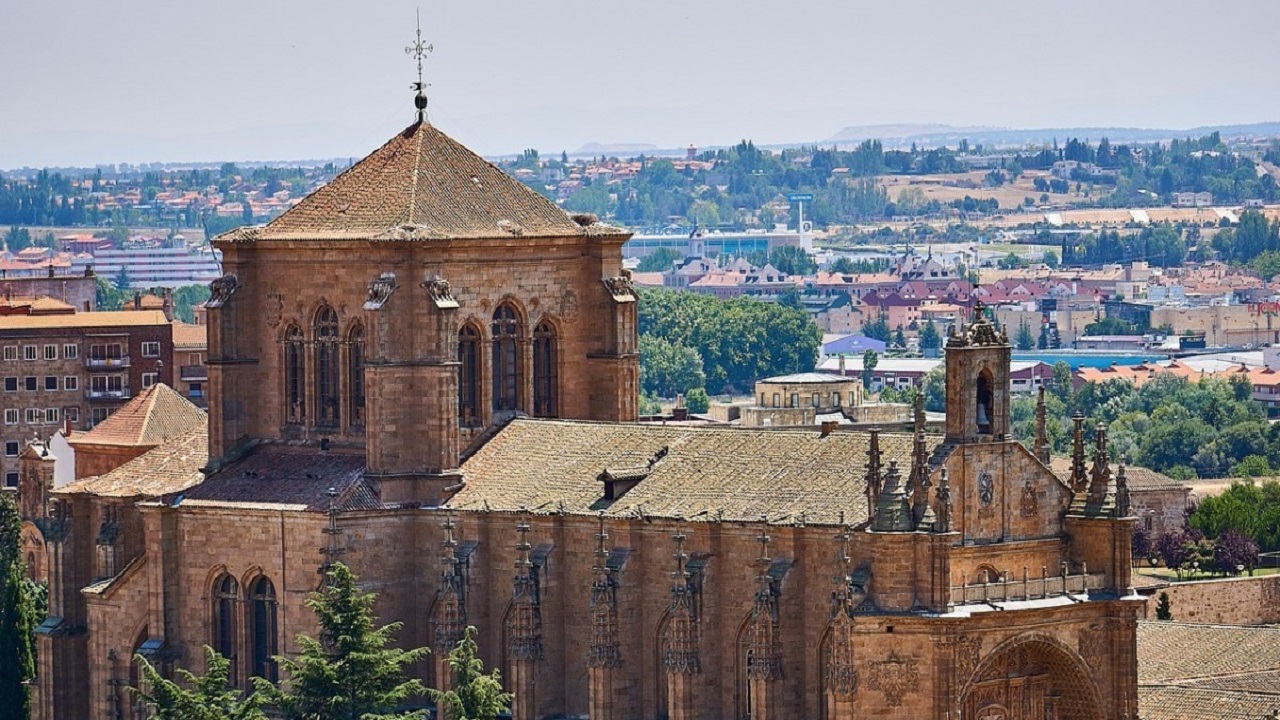
Nestled in the heart of Castile and León, Salamanca is more than just a UNESCO World Heritage site; it’s a living museum that remains surprisingly affordable. Known as La Dorada (The Golden City) for its sandstone architecture, it offers a high quality of life that rivals Spain’s major hubs—without the soul-crushing price tag of Madrid or Barcelona.
Whether you are a digital nomad seeking a historic base, a student attending the legendary University of Salamanca, or an expat looking for the “real” Spain, here is what your wallet can expect in 2026.
The Housing Market: Finding Your Home
Despite the global rise in real estate, Salamanca remains a sanctuary of affordability. The city is compact, meaning you can often live further out to save money without sacrificing a long commute.
- Student Life: A room in a shared piso (apartment) remains the gold standard here. Expect to pay between €250 and €400, depending on how close you are to the Plaza Mayor.
- Solo Living: A modern 1-bedroom apartment in the city center will run you €550 – €750.
- The Suburban Advantage: If you look toward neighborhoods like Garrido or Tejares, prices can drop by 20%.
Pro Tip: Look for apartments with “Servicios Centrales” (Central Services). This often means heating and hot water are included in the rent—a huge win during the chilly Castilian winters.
Dining and Socializing: The Tapa Culture
In Salamanca, you don’t just buy a drink; you buy an experience. The city is famous for its generous pinchos (small snacks) served for free or a nominal fee with every glass of wine or beer.
- The “Menú del Día”: A staple of Spanish life. A three-course lunch including wine and bread typically costs €12 to €16.
- Coffee Culture: A café con leche in a sun-drenched plaza is still a steal at €1.80.
- Dining Out: A mid-range dinner for two in the trendy Van Dyck area will cost around €50, including drinks.
Daily Expenses & Groceries
If you enjoy cooking, the local markets and supermarkets like Mercadona or Lidl offer fresh, high-quality produce at prices lower than North American or Northern European averages.


| Item | Estimated Price (2026) |
| Loaf of Fresh Bread | €1.10 |
| Local Iberian Ham (100g) | €4.00 |
| Bottle of Quality Rioja | €5.50 |
| Dozen Eggs | €2.45 |
| Monthly Gym Membership | €40.00 |
Getting Around: The Walkable City
One of the biggest “hidden” savings in Salamanca is the transportation cost—or lack thereof.
- On Foot: You can walk from one end of the historic center to the other in 20 minutes.
- Public Transit: If you need the bus, a single trip is €1.15, but most residents use a rechargeable card that brings the cost down significantly.
- Cycling: The city has expanded its bike-lane network for 2026, making it one of the most bike-friendly small cities in Spain.
The Monthly Bottom Line
How much do you actually need to live comfortably? Here’s a breakdown of the estimated monthly budgets for 2026:
The Student / Budget Traveler: €800 – €950
This covers a room in a shared flat, modest grocery shopping, a few nights of tapas, and basic utilities.
The Comfortable Professional: €1,400 – €1,700
This allows for a private 1-bedroom apartment in a prime location, frequent dining out, weekend trips, and private health insurance.
Why Salamanca in 2026?
Salamanca offers a rare “Goldilocks” zone: it’s large enough to have vibrant culture, festivals, and high-speed internet, but small enough to feel like a community. While the cost of living has risen slightly over the last few years, it remains roughly 30% cheaper than Madrid.
In Salamanca, you aren’t just paying for a place to live; you’re paying for the ability to walk through 800 years of history every time you go to buy a loaf of bread.