






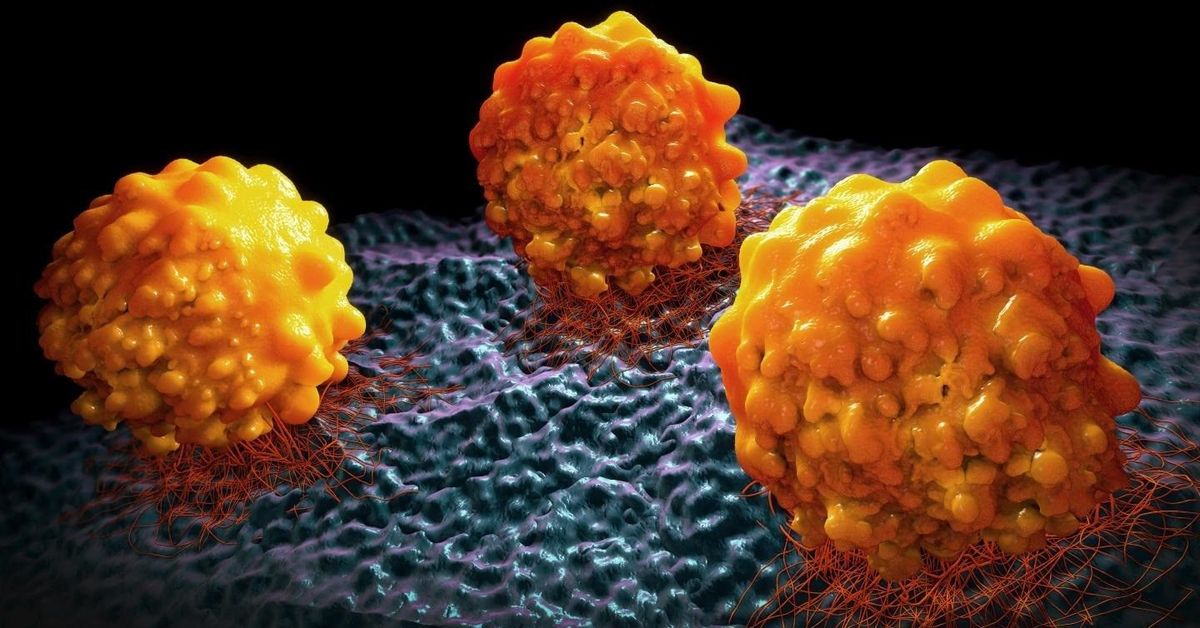
Researchers of the National Cancer Research Center (CNIO) have achieved, for the first time, completely eliminate pancreatic tumors in mouse models through a triple therapeutic combinationan advance that could open the door to human treatments for one of the deadliest cancers.
The study, led by Mariano Barbacid and financed by the Cris Against Cancer Foundationfocused on the pancreatic ductal adenocarcinoma (PDA)which represents the majority of pancreatic tumors. The therapy combined three drugs that attack key points of the tumor:
RMC-6236: inhibitor of KRAS, the mutation that starts cancer.
Afatinib: EGFR inhibitor, a protein that promotes cell growth.
SD36: STAT3 degrader, involved in tumor proliferation and survival.
In mice with implanted human tumor cells, triple therapy achieved complete tumor regressionwithout recurrences for months, and without significant toxicities. Even in genetically modified mice and in tumors from transplanted patients, the majority showed disappearance of the cancer. In comparison, KRAS inhibitor only doubled survival, but did not cure animals.
Barbacid noted that bringing this treatment to humans will require several yearsalthough the KRAS inhibitor, known as daraxonrasibcould be approved at the end of 2026 or beginning of 2027, already showing promising results in monotherapy for metastatic tumors.
The Cris Against Cancer Foundation financed the project with 3.6 million euroshighlighting the importance of public-private collaboration to advance innovative treatments. In Spain, pancreatic cancer affects more than 10,300 people a yearwith a five-year survival of only 8-10%.