



The Siega Verde Foundation (FSV) has organized together with the University of Salamanca the first training course for rock art guides, where fifty people interested in improving their training will meet, who will be instructed by the greatest experts in paleolithic art in the Iberian Peninsula and the south of France, as reported by the Siega Verde Foundation in a statement.
The course, titled “In the footsteps of the first art” and financed through the GESTORES Project developed by the FSV with funding from the Regional Government of Castilla y León, will bring together experts in research, management and dissemination of prehistoric rock art such as Pilar Fatás (director of the Altamira Museum), Valérie Moles (responsible for Scientific and Cultural Mediation of Chauvet 2) and specialists from the universities of Coimbra and Cantabria André Tomás Santos and Diego Garate Maidagan, respectively; María González Pumariega and Miguel Polledo González, from the Ministry of Culture of the Principality of Asturias; or Antonio Dólera Fernández, specialist in technological solutions applied to the dissemination of prehistoric art.
The first session, on March 5, will be in the Assembly Hall of the Faculty of Geography and History of the University of Salamanca and will feature a session of presentations by specialists, who will instruct the fifty participants, most of them university students of Geography and History or guides from different Paleolithic enclaves in Spain or Portugal who want to expand their knowledge.
The day will include scientific and methodological content aimed at the training and specialization of guides and will culminate with a debate on the main challenges of the sector, moderated by Olivia Rivero Vilá and Ana María Mateo Pellitero, from the Prehistoric Technology Laboratory of the University of Salamanca.
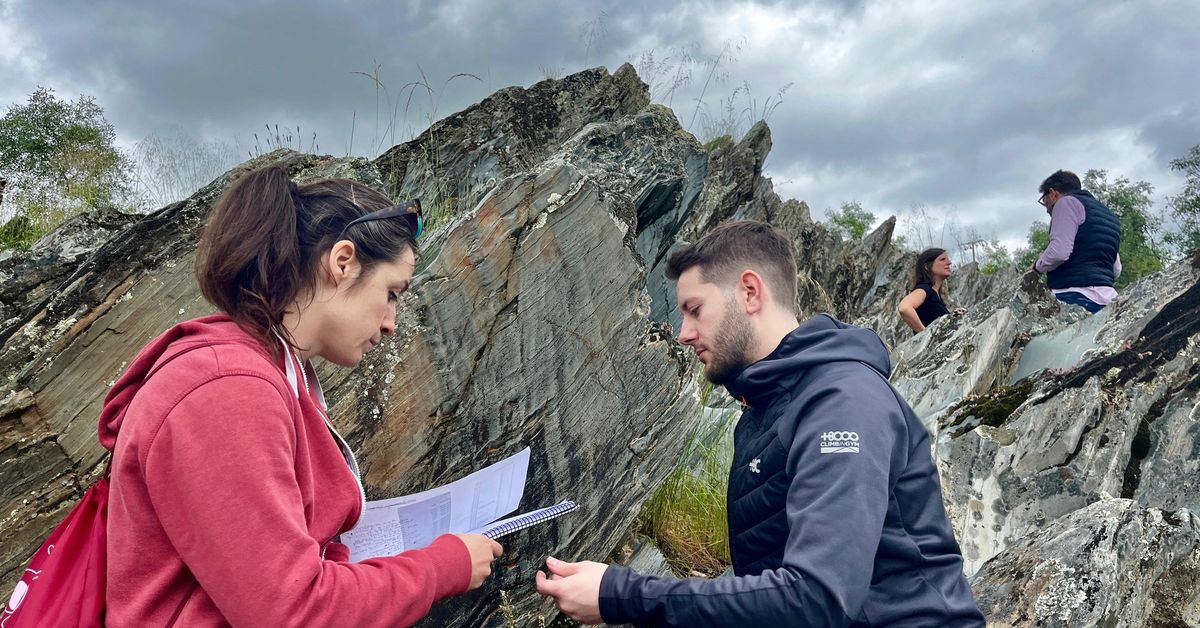
The Siega Verde Site, a World Heritage Site, will host the practical session of this first edition on March 6, where participants will be able to apply the knowledge acquired the previous day in the field.
“This initiative is a commitment to establish an event that in future editions will become a world reference, where professionals from all over the world who want to acquire new knowledge or catch up on the latest trends are brought together, with the participation of the greatest international experts in rock art,” says the director of the Siega Verde Foundation, Luis Ballesteros.
This first edition combines scientific updates, communication tools and conservation criteria applied to guided practice, with the aim of reinforcing the professionalization of the sector and improving the visitor experience.
“What we intend is that, through this course, the site guides specialize in the interpretation of Paleolithic rock art and in the management of cultural visits, even more so when Spain is currently the country with the largest number of visitable prehistoric art sites in the world,” concludes Ballesteros.
The GESTORES Project, designed by the Board of Trustees of the Siega Verde Foundation to protect and investigate the Siega Verde enclave, has funding of 280,000 euros, contributed by the Government of Castilla y León.
This project, whose execution was awarded to the University of Salamanca and will conclude in 2026, aims to place Siega Verde at the global forefront of the conservation and research of outdoor rock art and, among other objectives, will develop the Siega Verde Digital Twin.