




The escalation of war in the Middle East following the attacks by the United States and Israel against Iran is already having a clear impact on global energy markets. The uncertainty in the Strait of Hormuz has caused the price of Brent oil (reference for Europe) to rise sharply, around 8 and 10 percent in a single day, reaching close to 80 dollars, but with the possibility of approaching or exceeding 100, according to some analysts, if exports through the strait were to be closed.
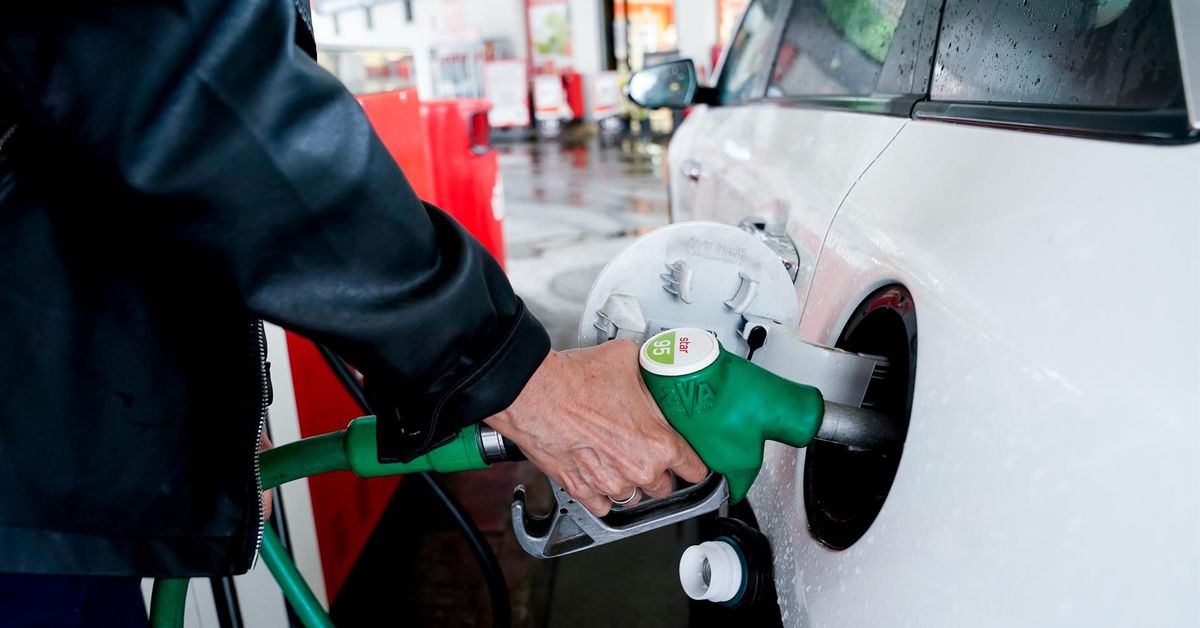
This fact will cause fuel at gas stations to increase by a few cents in the coming days. The increase will vary, according to experts, from 5 to 20 cents per liter depending on the nature of the conflict and whether uncertainty remains.
However, the price of fuel does not move at the same pace as the barrel, so increases can take even weeks before they are noticed at Spanish gas stations.
With a moderate scenario, that is, crude oil is around 80-90 dollars, there could be increases of about 5 to 10 cents per liter compared to current prices. If the barrel exceeded the $100 barrier, we would be talking about increases of up to 20 cents per liter, although these forecasts would be estimated based on the increases that have occurred in other similar conflicts.
Although these data are analyst estimates based on other similar situations, the truth is that the price of fuel will undoubtedly increase at Salamanca gas stations.
Based on an average evaluation of the current price of fuel at Salamanca gas stations (€1.47/L for 95 gasoline and €1.42/L for diesel on this Monday), filling a car with a 50-liter tank costs from 71 euros (diesel) to 73.50 euros (Gasoline). With a moderate scenario, an increase of 5 cents, the same tank would be filled with 73.50 and 76 euros, respectively, while with a somewhat stronger scenario, with an increase of 10 cents per liter, we would be talking about filling the car’s tank would cost about five euros more.