




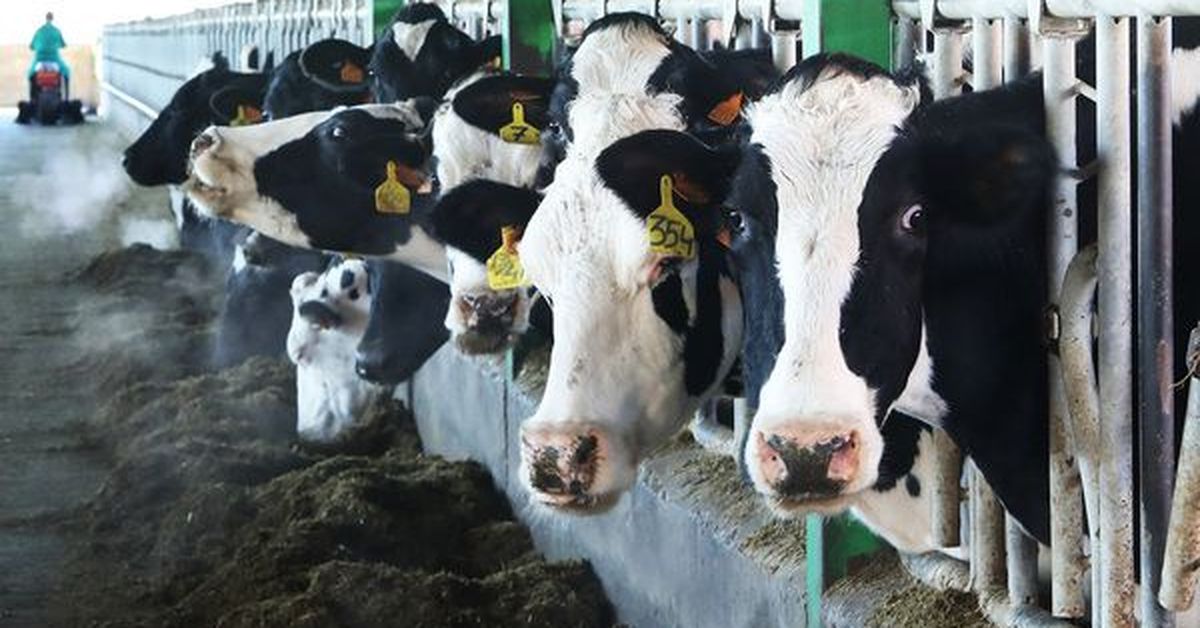
The Milk Producers Organization, OPL, has warned about the problems that the sector is going through, accentuated by “industry pressure, the lack of institutional support and regulatory burdens can cause the definitive closure of numerous farms”, which causes “concern” about the situation that the sector is going through.
They assure that the sector “has suffered a progressive deterioration marked by the disappearance of farms, the aging of owners, the lack of generational change and growing economic pressure from the industry and distribution” and that, despite the fact that total production remains stable, every year farms disappear and fewer and fewer farmers remain producing milk.
They state that in 2018 there were 1,125 milk producers, which has dropped to 676 in 2024. In six years, Castilla y León has lost close to 40% of its dairy farmers, which shows an accelerated process of farm disappearance.
They estimate that only 25 percent of farms are in the hands of people under 45 years of age, which means that a significant part of them are close to retirement age. “In recent years, there have been practically no new dairy cattle farms started from scratch, which shows that the activity is no longer attractive to new generations.”
Another problem is the evolution towards larger farms that require heavy investments, forcing professionals to go into debt.
Added to this structural situation is the growing concern of the sector regarding the signs of possible decreases in the price of milk at origin conveyed by some industries. Farmers remember that production costs remain high and that the price of milk depends largely on the industry and large distribution.
The organization demands that the Food Chain Law be applied since “it was created precisely to prevent abusive practices and guarantee that no operator sells below production costs. However, ranchers consider that the application of this law remains clearly insufficient.”
The sector also wants to draw attention to the impact that certain health protocols, especially those related to bovine tuberculosis, can have on dairy farms. Dairy farms have been carrying out intense work on genetic improvement and animal selection for decades, seeking to increase productivity and improve management. When health protocols are applied that require the sacrifice of animals of high genetic value, the economic and productive impact can be very high.