






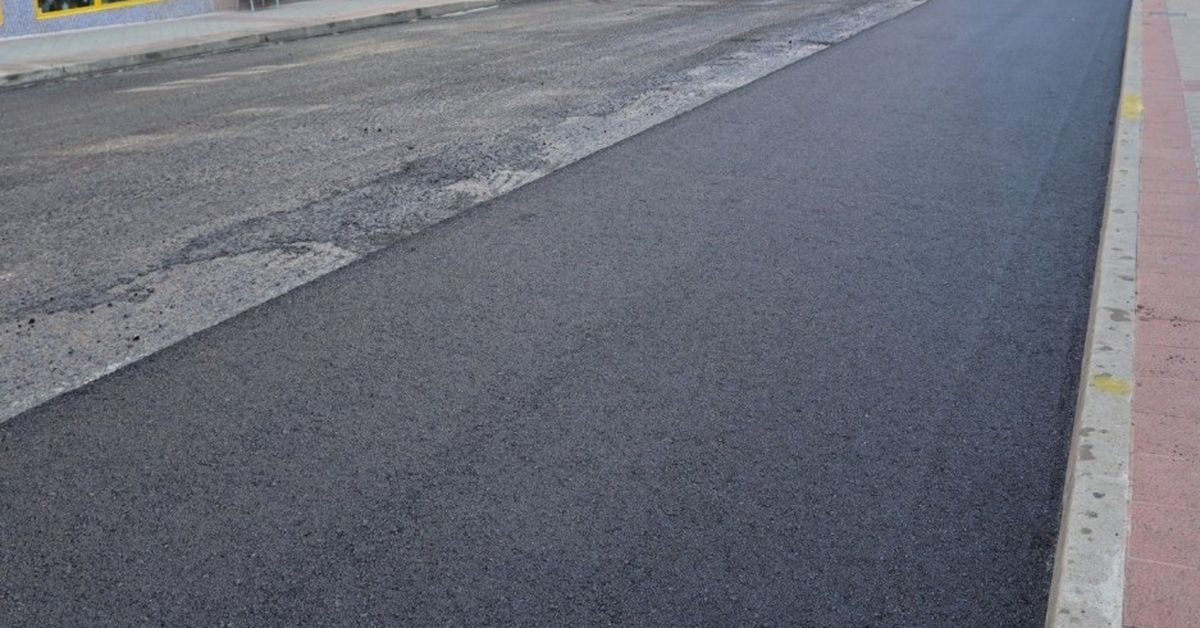
The Spanish Association of Asphalt Mixture Manufacturers (Asefma) warns about the state of the national road network, warning that Spain has an accumulated deficit of more than 225 million tons of asphalt necessary to guarantee adequate maintenance of its roads. Although the industry has shown signs of recovery in 2025 with a production of 18.6 million tons of bituminous mixtures—an increase of 9.2% compared to the previous year—the figures are still far from the country’s real needs.
The president of the association, Juan José Potti, has described this gap accumulated since 2011 as a critical situation that directly affects road safety, energy efficiency and the sustainability of transport. According to the association’s technical studies, Spain should produce about 32.5 million tons of bituminous mixture annually to maintain minimum standards, which places current production 40% below the optimal level.
To reverse this deterioration, Potti estimates that the country would need to manufacture close to 30 million extra tons each year, reaching levels of between 47 and 48.6 million total tons, in order to compensate for the abandonment of recent decades. Given this scenario, Asefma proposes the implementation of an extraordinary investment plan over the next eight years that allows the contracting of more than 200 million additional tons, urging administrations to act decisively to address this historic deficit.
Beyond safety, the industry highlights the environmental impact of this lack of investment. The president of Asefma recalls that adequate rehabilitation of the pavements could reduce traffic energy consumption by between 9% and 10%.
This improvement would not only save millions of liters of fuel for users, but would also prevent the emission of thousands of tons of CO2 into the atmosphere. In Potti’s words, road conservation has ceased to be a mere matter of infrastructure and has become a true climate policy tool.